.png)
.jpg)


How to File a Water Damage Insurance Claim in Louisiana

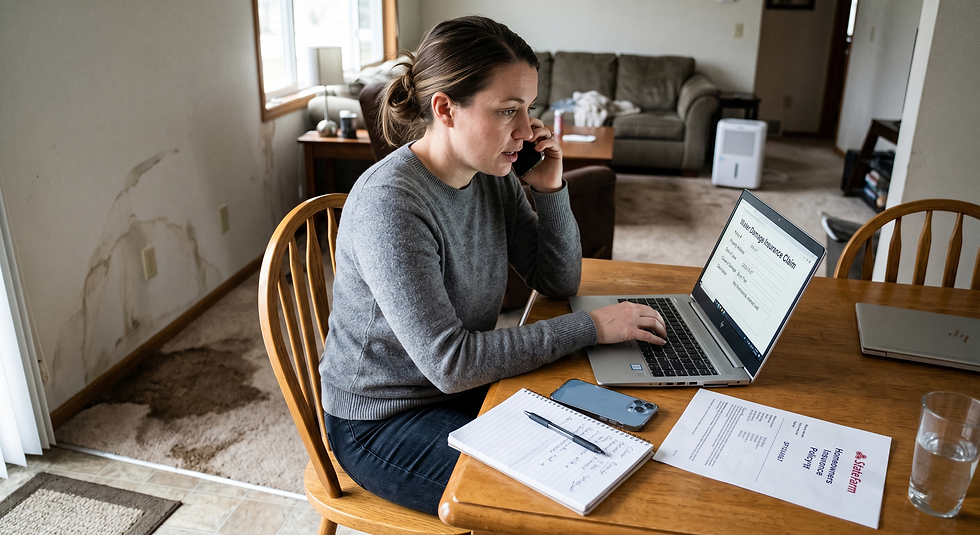
Water damage is one of the most common and stressful issues faced by Louisiana homeowners. Whether caused by a burst pipe, heavy rain, roof leaks, or hurricane flooding, the aftermath can be overwhelming—especially when it comes to dealing with your insurance company.
At Diego’s Improvements Contractor, we’ve helped hundreds of homeowners across Houma, Gretna, Metairie, and surrounding areas navigate the water damage restoration process and insurance claims. In this guide, we’ll walk you through the step-by-step process of filing a water damage claim in Louisiana, plus how to maximize your chances of a fair payout.
Step 1: Stop the Water Source and Document the Damage
The first step is safety. If a pipe is leaking or an appliance is overflowing, shut off the water main if possible. Then begin documenting everything.
Take clear photos and videos of:
Damaged walls, flooring, and ceilings
Waterlogged furniture or belongings
The source of the water (if known)
Any standing water or mold
Documentation should begin before cleanup starts. This evidence is crucial when filing your claim and can help you avoid disputes later.
Step 2: Contact Your Insurance Company
Call your homeowners insurance provider as soon as possible. Most policies require that you report damage within a specific time frame (often 24–72 hours).
When calling:
Have your policy number ready
Provide a brief description of the damage
Ask what your deductible is and what is covered
Request to start the claims process and ask if an adjuster will visit
Be sure to write down the date of the call, the name of the agent, and your claim number.
Step 3: Call a Licensed Water Damage Restoration Contractor
Don’t wait for your insurance adjuster to inspect before starting cleanup. In Louisiana’s climate, mold can begin growing in 24 to 48 hours. Most insurance policies allow (and expect) homeowners to take reasonable action to prevent further damage.
That’s where Diego’s Improvements Contractor comes in.
We’ll:
Respond quickly (24/7 emergency service)
Remove standing water
Begin drying and dehumidification
Identify hidden moisture in walls and flooring
Create a detailed scope of work with photos and moisture readings
Our team provides all necessary documentation to support your claim.
Step 4: Meet with the Insurance Adjuster
In most cases, your insurance company will send an adjuster to inspect the damage.
Tips for this visit:
Be present if possible
Have your contractor onsite (we attend these visits for our clients)
Provide a copy of the contractor’s estimate
Share your photos and notes
Adjusters assess:
Cause of the damage
Extent of repairs needed
Replacement value of materials
If their estimate is lower than your contractor’s, you may need to negotiate or request a reinspection. We assist with this process.
Step 5: Review and Approve the Claim Estimate
Once the adjuster completes their report, your insurance company will send you a settlement offer. This typically includes:
A breakdown of repair costs
What’s covered and what’s not
The deductible amount
A payment schedule (sometimes in installments)
Review the offer carefully and compare it to your contractor’s estimate. If something is missing or undervalued, you have the right to request adjustments.
Step 6: Begin Restoration Work
Once approved, our team gets to work. We coordinate all aspects of the restoration, including:
Demolition of unsalvageable materials
Drying and mold remediation (if needed)
Rebuilding walls, floors, cabinets, and more
Painting, electrical, and finishing touches
We work directly with your insurance provider to ensure all eligible repairs are completed and paid for under the claim.
What Types of Water Damage Are Covered by Insurance?
Most standard homeowners insurance policies cover sudden and accidental water damage, such as:
Burst pipes
Overflowing appliances
Leaking roofs (from storm damage)
Rain intrusion due to storm-created openings
Ice dams (less common in LA but possible)
However, most policies do not cover:
Flooding from rising water (requires separate flood insurance)
Long-term leaks or neglect
Sewer backups (unless you added a rider)
If you live in a flood-prone area like Houma or New Orleans, consider flood insurance through the National Flood Insurance Program (NFIP).
FAQs About Filing Water Damage Claims in Louisiana
How long does the insurance claim process take?
It varies by provider, but most homeowners receive an initial payment within 1–3 weeks after the adjuster visit.
Can I choose my own contractor?
Yes. You have the right to hire any licensed and insured contractor, even if your insurance recommends someone else.
Do I pay the contractor or the insurance company?
You pay your deductible, and the insurance company issues the remaining payment—often directly to the contractor with your approval.
What if my insurance claim is denied?
You can request a second inspection, appeal the decision, or hire a public adjuster. We can help guide you through this process.
Why Homeowners Choose Diego’s Improvements Contractor
We’re more than just a contractor—we’re a trusted partner during stressful situations. Homeowners throughout Houma, Gretna, Jefferson Parish, and Bayou Blue rely on us for:
24/7 emergency response
IICRC-certified water restoration
Insurance documentation support
Transparent, fair pricing
Full-service restoration and remodeling
Local expertise in Louisiana insurance claims
We’ve helped hundreds of families navigate the claims process and return their homes to better-than-before condition.
Get Expert Help with Your Water Damage Claim Today
Don’t face water damage alone. If your home has been affected by flooding, leaks, or burst pipes, our team is ready to help—day or night.
Call Diego’s Improvements Contractor at (985) 709-9421Serving Houma, Metairie, New Orleans, and surrounding areasRequest immediate assistance or a free estimate
[Water Damage Services – https://www.diegosimprovements.com/water-damage][Contact Us – https://www.diegosimprovements.com/contact]


Comments